
OURENSE TO SANTIAGO - The Silver Way - Last 100 Kms
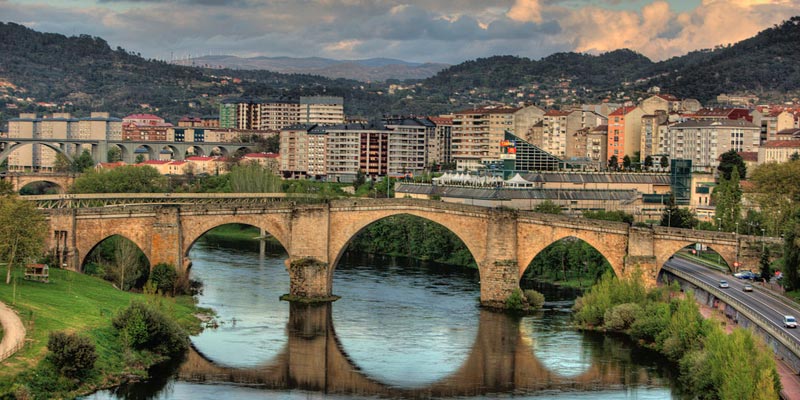
Visiting : Ourense, Cea, Lalin, Bandeira, Ponte Ulla, Santiago
Duration : 7 Days / 6 Nights
Day 1: Arrival in Ourense
Arrival in Ourense on your own. (Consult with Petrabax for private car transfer prices from Vigo or Santiago airport or rail station to Ourense). Your information packet containing complete route descriptions, materials and your Pilgrims Passport will be waiting for you at your hotel. We recommend visiting the cathedral and its surroundings, including the thermal springs of As Burgas. Not far the thermal pools of a Chavasqueira and Outariz are very popular among local people and visitors.
Day 2: Walk Ourense to San Cristovo de Cea. Transfer San Cristovo de Cea to Carballeda (22 KM / 13.6 MI)
Breakfast. Soon after leaving Ourense, the Camino goes upward in a quite demanding ascent. Later the pilgrim will pass through the picturesque villages of Faramontaos, Biduedo and As Casas Novas. Once in Cea we recommend trying its delicious brown bread, the only one under Designation of Origin in Galicia.
Day 3: Transfer Carballeda to Monasterio de Oseira. Walk San Cristovo de Cea to Lalín (23 KM / 14.2 MI)
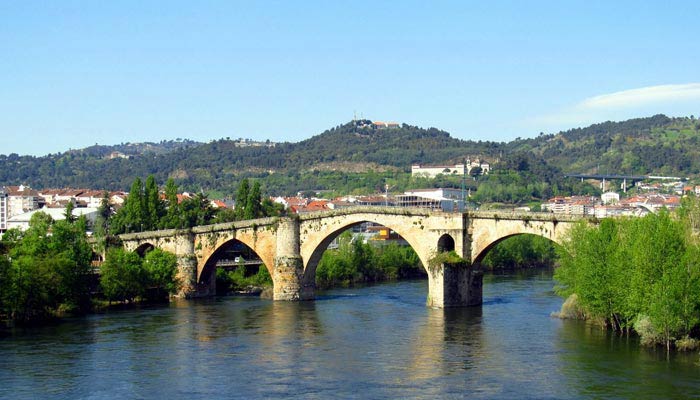
Breakfast. We will transfer you back to San Cristovo de Cea to begin the stage. Today a long stage day awaits you to Lalín; and on the Camino you will find the jewel of this stage: the Monastery of Oseira. You can walk the entire stage from San Cristovo de Cea or we can take you to the Oseira Monastery to save you 8 kilometers, if you prefer not to walk so much (transfer in the morning free of charge, it must be requested previously). Upon arrival in Botos (Lalín) we will transfer you from the Camino to the accommodation, in Lalín itself, but somewhat distant from the end point of the stage.
Day 4: Walk Lalín to Bandeira (25 KM / 15.5 MI)
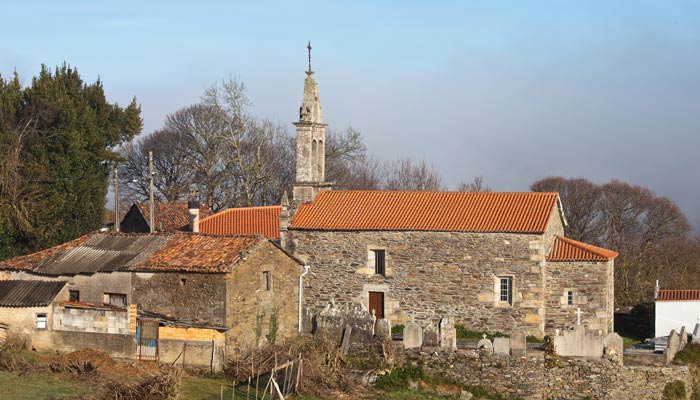
Breakfast. We will transfer you from your accommodation to the point where you finished the stage the previous day: This stage offers you the beautiful landscapes of Deza, a well-known Galician agricultural region. Since it is a day that is not so hard in terms of kilometers, you will be able to dedicate more time to the small details that arise in your path.
Day 5: Walk Bandeira to Vedra(13 KM / 8 MI)
Breakfast. Today's stage takes you through a lush landscape to the village of Dornelas. You will continue to San Miguel de Castro and shortly after you will cross the Ulla River on a bridge and enter Ponte Ulla. On the way to Vedra you will pass by the Santiaguiño Chapel and the Santiaguiño Fountain.
Day 6: Walk Vedra to Santiago (16 KM / 9.9 MI)
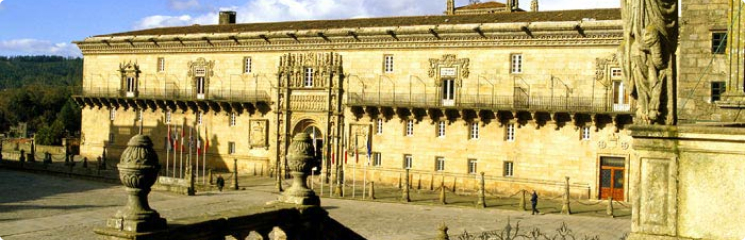
Breakfast. The route leads to the slopes of Pico Sacro, an elevation linked to the tradition of the Traslatio of the apostle remains to Compostela. In A Susana the pilgrim reaches the municipality of Santiago, and finally enters in the city by the Collegiate Church of Santa María de Sar, a monastery founded in 12th century. SUPERIOR CLASS INCLUDES LODGING AT THE PARADOR DOS REIS CATOLICOS.
Day 7: Santiago
After breakfast, departure and end of our services.
Ourense
Lalin
Bandeira
Vedra
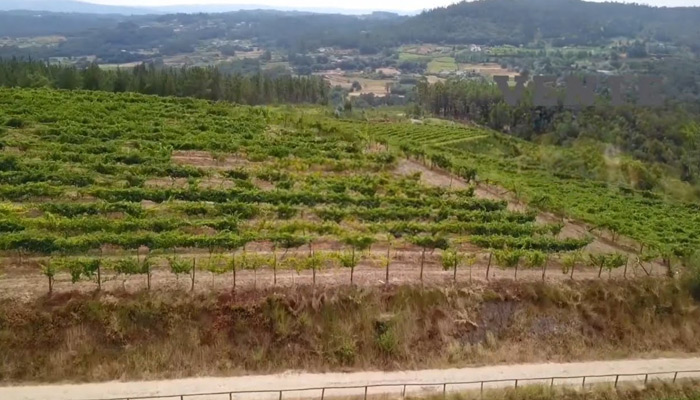
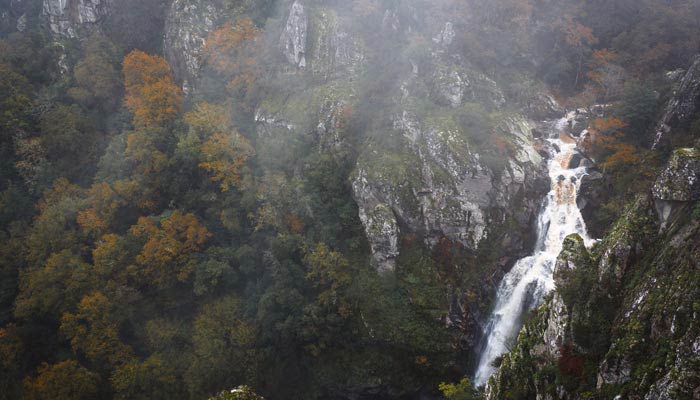
Welcome to Vedra, a hidden gem nestled in the heart of the A Coruña region in Spain. This picturesque town captivates visitors with its charming blend of historical allure and natural beauty. Wander through cobbled streets that whisper tales of centuries past, and discover architectural treasures such as the Church of Santa Maria de Vedra. Nature enthusiasts will find solace in the lush landscapes that surround Vedra, where rolling hills and scenic countryside provide the perfect backdrop for exploration. Vedra's welcoming atmosphere extends to its vibrant local culture and gastronomy. Indulge in traditional Galician cuisine at local eateries, where fresh seafood and regional delicacies await your palate. Whether you're seeking a tranquil retreat or an immersive cultural experience, Vedra offers a harmonious balance of history, nature, and authentic Spanish charm. Come and immerse yourself in the enchantment of Vedra, where every corner tells a story, and each moment is an opportunity for discovery.
SANTIAGO DE COMPOSTELA
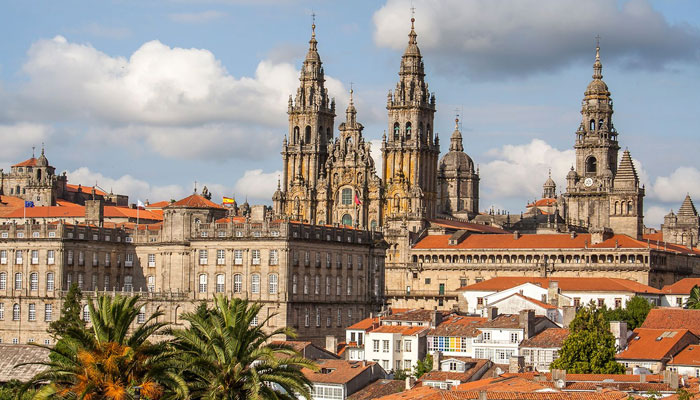
Dicen que Santiago es el pueblo más grande del mundo y, al mismo tiempo, la ciudad más pequeña del planeta. Esta capital gallega combina las comodidades de las pequeñas localidades y las ventajas de las grandes ciudades sofisticadas. Se puede recorrer de una punta a otra en un tranquilo paseo y goza de las comodidades de las grandes capitales. Rincones solitarios y tranquilos y calles bulliciosas de bares de vinos comparten el mismo escenario. El centro histórico, declarado patrimonio de la humanidad por la UNESCO, es la joya de la corona. Construida piedra a piedra alrededor de su majestuosa catedral. El descubrimiento de la tumba del apóstol en el siglo IX transformó este lugar sagrado para siempre.
HOTELS COMFORT
Hotel Carris Cardenal Quevedo, Ourense
Casa Casarellos, Carballeda
Hotel Pontinas, Lalin
Hotel Victorino, Bandeira
Pensión Residencial Victoria, Vedra
Virxe da Cerca, Santiago de Compostela
HOTELS SUPERIOR
Hotel Carris Cardenal Quevedo, Ourense
Casa Casarellos, Carballeda
Hotel Pontinas, Lalin
Hotel Victorino, Bandeira
Pensión Residencial Victoria, Vedra
Parador de Santiago de Compostela, Santiago Compostela
- Your choice of accommodations in COMFORT CATEGORY: best available hotels, guest houses or rural tourism manor houses with private bath; or in SUPERIOR CATEGORY: Same as Comfort Category except in the city of Santiago where accommodations will be at the deluxe Parador Reis Catolicos or in a hotel of similar category.
- Breakfast daily
- Luggage transportation from city to city while you walk (1 piece, maximum 44 Lbs per person)
- Protection and medical insurance while on tour
- Complete route descriptions and materials, including your "Pilgrim Passport"
- Local 24 hour telephone assistance while on tour
FREQUENTLY ASKED QUESTIONS:
- How do I arrive to the starting point?
Petrabax can help you arrange a transportation from the closest airport to your starting point. We can also arrange train tickets through Renfe (Spanish Railways) from most Spanish cities. Contact Petrabax for additional information about the best way to arrive to your starting point. - What can I expect from this trip?
You will live an unforgettable experience, away from the bustle of everyday life. This is a trip that you can do in total liberty, on foot or by bicycle, and at your own pace as this is not a race. Your luggage (maximum 1 piece, 44 lbs) will be carried for you from one destination to the next. We provide you with all the necessary expert advice, information and documentation that you require to complete your journey safely: local maps detailing your route, vouchers for your lodgings, tags for your luggage and a travelers notebook for your trip with descriptions on each daily walking or biking route. - What is the “Compostela”?
The “Compostela” is a certificate of accomplishment given to pilgrims that have completed the Camino de Santiago upon presentation of your stamped "Credencial" or Pilgrims Passport. In order to receive the “Compostela” you must complete the last 100 km walking or 200 km cycling. You obtain the “Compostela” at the Office of the Pilgrim located a few meters from the "Platerias" façade of the Santiago Cathedral. - Where do I obtain a Pilgrims Passport?
The "Credencial" or Pilgrims Passport will be provided to you by Petrabax in Spain at the beginning of your trip. It is part of the travel materials and insurance information provided upon arrival to your starting point. - Where do I receive my trip documentation?
You will receive most of your documentation prior to your departure so that you can review it and prepare for your Camino. Other documentation will be delivered at your first hotel. - When can I take this trip?
You can take this trip starting any day of the year. The Camino offers diverse countryside and conditions depend on the season and time of year. Consult the weather of Galicia before arranging your trip. Rainy season is from November through February. March through June and September through October are optimum months for the Camino. The summer months of July and August can be somewhat more challenging due to the warmer weather. - What is the profile of the traveler on this trip?
This trip is suitable to any person who enjoys a normal physical condition. We do however highly recommend that you do some training, especially those persons who are not accustomed to walking or cycling for longer periods of time. - Can I travel with children?
Yes, older children are welcome on the trip as long as they are energetic and accustomed to walking long distances on successive days. - Do I need physical preparation prior to the trip?
Although this trip is suitable for for any person with normal physical condition, we recommend training for a few weeks prior to your trip, especially for those not accustomed to walking or biking for longer distances. We highly recommend taking very comfortable walking/biking shoes that have been previously broken in, so as to avoid blisters, bruises and discomfort. - What items do I need to complete the Camino?
We recommend a light, comfortable weatherproof backpack which you will carry on every stage and that must contain indispensable items for your walk (water bottle, personal documents, a cell phone, snacks, etc. We recommend broken in walking shoes/boots with which you are used to waking, light comfortable clothing, rain gear, a cap or hat, sun screen and sun glasses. During nighttime, warmer clothing such as a sweater or jacket are necessary. A walking stick can help you walk in a more relaxed manner during the more challenging stages. A photo camera and a notebook are also very recommendable. You should always start you day with a hearty breakfast and always take some snacks with you every day such as fruit, dried fruit, energy bar or chocolate. The most important is a full water bottle. - Where does the Camino take place?
The route will take you through many rural country roads and paths as well as local roads with light traffic. On occasions the Camino will take you through roads near larger towns and villages with higher density of traffic. - How is the grade?
There are no major grade changes. The beautiful Galician countryside is filled with mostly mild inclines and declines, valleys and mountains, rivers and streams. It can be said that the Way is relatively easy, it is always very beautiful. The major difficulty could be the total distance covered to complete your route, especially in the colder months (Nov-Feb) or warmer months (Jul-Aug). - Is the Camino dangerous?
Absolutely not. The Camino does not present any danger whatsoever. However, it is recommended that you take the normal safety precautions as you would anywhere else. - Is the Camino well outlined/marked?
You will see many markers along the Camino, they are well positioned and clear throughout the route. Look for the scallop shell which is the symbol of the Camino de Santiago. We also provide you with our travelers notebook in case you have any doubts throughout your journey at any given time. It is very rare to get lost. If you do, there are many places to stop and ask other travelers or the locals for directions. - What services are available along the Camino?
You will find many small hamlets, towns and villages along the Way where you will find all sorts of services: pharmacies, medical services, supermarkets, restaurants, cafes and local tourist offices. In some villages, during the summer you can even swim in the local pool or in the nearby river or creek. You can also find massage services after a long days walk. - How are the dinners?
If you have booked your itinerary with dinner included, these will take place either at your hotel or in a local restaurant nearby the hotel. All dinners include water and wine. They consist of menus containing three plates (appetizer, main dish and dessert). Coffee and tea is normally not included. In some cases the menu will be a specialty menu with a hearty variety of Tapas and local specialties of the region of Galicia. - Is lunch available along the Way?
There are many options available for you to have lunch along the Camino: from sandwiches to drinks to sit-down meals at restaurants or pic-nics on the side of the road, etc. Your travelers notebook contains recommendations for lunch. - What is the starting time for each stage?
We recommend starting early, after enjoying a hearty breakfast, at about 8:30am. The majority of hotels and manor houses offer breakfast service from very early in the morning. In any case you can start your walk according to your wishes. You should normally finalize your stage at or about normal lunch time – this way you can relax and enjoy the rest of the day at your leisure and discover these fantastic towns and villages. - How does the luggage transportation work?
You can only take 1 piece of luggage (max. 44 Lbs/20 Kgs). We will transport your luggage every day from your originating town to the next town while you travel. Your luggage will be waiting for you at your next hotel. You will be provided with special luggage tags for your luggage with your documentation. Please make sure that your luggage is closed and properly locked. - What happens if I’m on the Camino and no longer able to continue?
If you can no longer continue your walk or bicycle, we provide you with support telephone numbers that you may call and we will send a car in a short time to pick you up and take you to the next location. - Can I drink from the water fountains found along the Camino?
Although the water from the fountains along the Camino are usually safe, we do not recommend you drink from them and highly recommend drinking only bottled mineral water.
Petrabax
Petrabax is also a leader in Spanish language escorted tours of Europe, Middle East and the Orient.

Test