

SAINT JEAN PIED DE PORT TO SANTIAGO - The Entire French Way
 Visiting : Saint-Jean-Pied-de-Port, Roncesvalles, Akerreta, Pamplona, Puente de la Reina, Estella, Los Arcos, Logroño, Najera, Santo Domingo de la Calzada, Belorado, San Juan de Ortega, Burgos, Hornillos del Camino, Castrojeriz, Frómista, Carrión de los Condes, Calzadilla de la Cueza, Sahagun, El Burgo Ranero, Mansilla de las Mulas, Leon, Villar de Mazarife, Astorga, Rabanal del Camino, Molinaseca, Villafranca del Bierzo, Las Herrerías, O Cebreiro, Triacastela, Sarria, Portomarin, Palas de Rei, Arzua, O Pedrouzo, Rua, Santiago de Compostela
 Duration : 37 Days / 36 Nights
LEVEL OF DIFFICULTY: Medium
For avid walkers, prior training highly recommended. Moderately uneven grade, some dirt and stone roads
(Daily departures – no minimum participant requirements)
DAY 1: SAINT JEAN PIED DE PORT
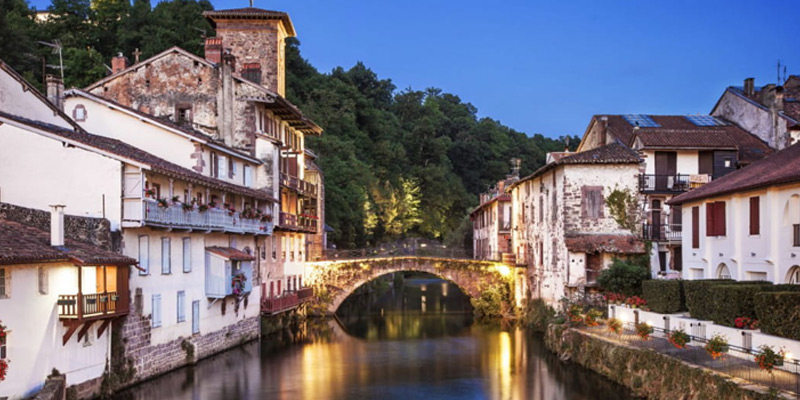
We can arrange a private transfer from Pamplona or San Sebastian (about 1.5 hours away by car) for an additional fee - Consult Petrabax for special pricing). Your information packet containing complete route descriptions and materials will be waiting for you at your hotel. Arrive to Saint Jean Pied de Port on your own. Within its walls you will feel like time stops in an idyllic setting at the foot of the Pyrenees, you will enjoy walking through its cobbled streets and observing its picturesque houses. Tonight a beautiful hotel awaits you so you can begin your French Camino de Santiago rested and in good spirits.
DAY 2: WALK SAINT JEAN PIED DE PORT TO ORISSON (24 KM / 14.9 MI)
Breakfast. You will begin your Camino de Santiago leaving Saint Jean Pied de Port behind to enter the impressive natural landscapes of what is known as the Napoleon Route. The spectacular valleys and mountains of the Pyrenees will be your companions during this stage. After crossing the natural border between France and Spain you will reach your destination, the picturesque and historic Roncesvalles.VALUE PACKAGE INCLUDES DINNER TONIGHT.
DAY 3: WALK RONCESVALLES TO AKERRETA (28 KM / 17.3 MI)
Breakfast. You will start from this mythical point on the French Way, descending to the towns of Burguete and Espinal, then crowning the peak of Mezkiriz. From this point a constant descent will take you through beautiful Navarrese towns to the Arga River, which will accompany you until the end of the stage in Akerreta. VALUE PACKAGE INCLUDES DINNER TONIGHT.
DAY 4: WALK AKERRETA TO PAMPLONA (15 KM / 12.5 MI
Breakfast. Today you will walk with the course of the Arga River as a traveling companion. This short stage allows you to reach Pamplona (Iruña) with enough time to visit and enjoy this city. It is worth mentioning that its most important festival is celebrated at the beginning of the month of July, San Fermín, so if you are in Pamplona on these dates you will be able to enjoy San Fermines.
DAY 5: WALK PAMPLONA TO PUENTE LA REINA (24 KM / 14.9 MI)
Breakfast. You will quickly reach Cizur and from this point you will begin the ascent to the Alto del Perdón; Behind you are the Pamplona basin and the Pyrenees, and before you the Camino that will take you on a continuous descent through Uterga, Muruzábal and Óbanos to Puente la Reina (Gares).VALUE PACKAGE INCLUDES DINNER TONIGHT.
DAY 6: WALK PUENTE LA REINA TO ESTELLA (22 KM / 13.6 MI)
Breakfast. Along Calle Mayor you will say goodbye to Puente la Reina and through paths and dirt tracks you will reach Cirauqui, which will welcome you with a beautiful pointed door; Once at the top of the town, you will descend its Roman road until you reach the bridge over the Salado River to face the last kilometers that will separate you from Estella (Lizarra) through the towns of Lorca and Villatuerta. VALUE PACKAGE INCLUDES DINNER TONIGHT.
DAY 7: WALK ESTELLA TO LOS ARCOS (21 KM / 13 MI)
Breakfast. As soon as you leave Estella you will find the famous "Fuente del Vino" and the Monastery of Nuestra Señora Real de Irache. You will walk towards the hamlet of Azqueta and among cereals and vineyards you will reach Villamayor de Monjardín, with its "Fuente de los Moros". From this point, 12 kilometers separate you from Los Arcos, which runs through undulating and uninhabited terrain. VALUE PACKAGE INCLUDES DINNER TONIGHT.
DAY 8: WALK LOS ARCOS TO LOGROÑO (28 KM / 17.3 MI)
Breakfast. Your first objective will be Sansol, from where you will descend to the valley of the Linares River and then ascend to Torres del Río. You will arrive in Viana among vineyards, olive groves, almond trees and uninhabited towns. From Viana you will descend to the city of Logroño.
DAY 9: WALK LOGROÑO TO NÁJERA (29 KM / 18 MI)
Breakfast. When you leave the city you will see Logroño in one side and at the other Naverrete. You will pass near the ruins of the ancient pilgrims from Acre and ascend to “Monte San Antón” (mount) where you will begin to see Nájera, your destination for today. VALUE PACKAGE INCLUDES DINNER TONIGHT.
DAY 10: WALK NÁJERA TO SANTO DOMINGO DE LA CALZADA (21 KM / 13 MI)
Breakfast. Leaving the Monastery of Santa Maria la Real, the road runs along a dirt track to Azofra, located on a small hill in the center of the “Valle de Cañas” (valley). Then go your route easy terrain to the historic Santo Domingo de la Calzada, where you will hear the famous legend of the rooster. SUPERIOR CLASS INCLUDES LODGING AT THE PARADOR DE SANTO DOMINGO DE LA CALZADA.
DAY 11: WALK SANTO DOMINGO DE LA CALZADA TO BELORADO (22 KM / 13.6 MI)
Breakfast. This stage does not present too many unevenness. Grañón, Redecilla del Camino or Castildelgado are some of the towns along the Camino that you will find on your way before reaching Belorado. VALUE PACKAGE INCLUDES DINNER TONIGHT.
DAY 12: WALK BELORADO TO SAN JUAN DE ORTEGA (24 KM / 14.9 MI)
Breakfast. This stage will require a considerable ascent to the Montes de Oca, which will undoubtedly be rewarded with an unbeatable view. You will leave in your wake the towns of Tosantos, Villambistia, Espinosa del Camino, Villafranca Montes de Oca and shortly after the Hermitage of Valdefuentes you will reach San Juan de Ortega. VALUE PACKAGE INCLUDES DINNER TONIGHT.
DAY 13: WALK SAN JUAN DE ORTEGA TO BURGOS (26 KM / 16.1 MI)
Breakfast. After leaving San Juan de Ortega you will find the national highway where you will take the option that will take you to Atapuerca, leaving the town of Ages in your wake. After reaching Atapuerca you will follow a series of towns that will gradually take you to Burgos, with its impressive Gothic cathedral or the Monastery of Las Huelgas, to name two of its main virtues. You will stay in a central hotel so you can be a stone's throw from all its charms. VALUE PACKAGE INCLUDES DINNER TONIGHT.
DAY 14: WALK BURGOS TO HORNILLOS DEL CAMINO (20 KM / 12.4 MI). TRANSFER HORNILLOS DEL CAMINO TO ISAR
Breakfast. You will leave the city along the Arlanzón River, and soon enter a landscape of moors. On your way you will find the towns of Villalbilla de Burgos, Tardajos and Rabé de las Calzadas. After your walk, you will be transferred to Isar for accommodations. VALUE PACKAGE INCLUDES DINNER TONIGHT.
DAY 15: TRANSFER ISAR TO HORNILLOS DEL CAMINO. WALK HORNILLOS DEL CAMINO TO CASTROJERIZ (20 KM / 12.4 MI)
Breakfast. You will be transferred back to Hornillos del Camino to continue your walk. From Hornillos del Camino you will walk through wheat fields to Hontanas, you will pass by the Convent of San Antón and you will finally enter the beautiful town of Castrojeriz. VALUE PACKAGE INCLUDES DINNER TONIGHT.
DAY 16: WALK CASTROJERIZ TO FRÓMISTA (20 KM / 12.4 MI)
Breakfast. As soon as you leave Castrojeriz, the stop at Mostelares will require your effort; Then you will descend to the Pisuerga River and a little further on you will enter the historic Frómista accompanied by the Canal de Castilla.
DAY 17: WALK FRÓMISTA TO CARRIÓN DE LOS CONDES (19 KM / 11.8 MI)
Breakfast. This stage will take you to Villalcázar de Sirga, with a beautiful church that will welcome you. Shortly after, Carrión de los Condes and its impressive heritage will await you. VALUE PACKAGE INCLUDES DINNER TONIGHT.
DAY 18: WALK CARRIÓN DE LOS CONDES TO CALZADILLA DE LA CUEZA (19 KM / 11.8 MI)
Breakfast. The stage between Carrión de los Condes and Calzadilla de la Cueza is short; You can take advantage of your stay to learn more about Carrión before heading to the small town of Calzadilla. VALUE PACKAGE INCLUDES DINNER TONIGHT.
DAY 19: WALK CALZADILLA DE LA CUEZA TO SAHAGÚN (22 KM / 13.6 MI)
Breakfast. From Calzadilla de la Cueza you will ascend a couple of kilometers. Later you will advance through Lédigos, Terradillo de los Templarios and Moratinos. From here you will continue to Sahagún, one of the most interesting towns on this trip. VALUE PACKAGE INCLUDES DINNER TONIGHT.
DAY 20: WALK SAHAGÚN TO EL BURGO RANERO (18 KM / 11.1 MI). TRANSFER EL BURGO RANERO TO SAHAGÚN
Breakfast. After leaving Sahagún crossing the Cea River you will arrive at Calzada del Coto, where the Camino forks. You will follow the left variant through Bercianos del Camino to finally reach El Burgo Ranero. After your walk, you will be transferred back to Sahagún for accommodations.VALUE PACKAGE INCLUDES DINNER TONIGHT.
DAY 21: TRANSFER SAHAGÚN TO EL BURGO RANERO. WALK EL BURGO RANERO TO MANSILLA DE LAS MULAS (19 KM / 11.8 MI)
Breakfast. Transfer back to El Burgo Ranero to continue the walk. This stage will take you to Mansilla de las Mulas, already at the gates of León. You will find very few towns throughout the stage. In Mansilla you will find again the branch that divided into Calzada del Coto. VALUE PACKAGE INCLUDES DINNER TONIGHT.
DAY 22: WALK MANSILLA DE LAS MULAS TO LEÓN (19 KM / 11.8 MI)
Breakfast. You will cross the Esla river when leaving Mansilla and then the Porma in Villarente. After a steep slope, León appears at your feet, dominated by its Cathedral. A steep and short descent will take you to the center of this city.SUPERIOR CLASS INCLUDES LODGING AT THE PARADOR DE LEÓN.
DAY 23: WALK LEÓN TO VILLAR DE MAZARIFE (21 KM / 13 MI)
Breakfast.You will leave behind the majestic Cathedral of Santa María de Regla de León and walk to Trobajo del Camino, a little further on you will enter the Virgen del Camino, where you will have to turn left to follow the signs for the Camino to Villar de Mazarife. It is a stage with hardly any unevenness and far from the national highway. You will leave small towns in your wake such as Fresno del Camino, Oncina de la Valdoncina and Chozas de Abajo. Finally you will reach Villar de Mazarife, your end of the stage. VALUE PACKAGE INCLUDES DINNER TONIGHT.
DAY 24: WALK VILLAR DE MAZARIFE TO ASTORGA (24 KM / 14.9 MI)
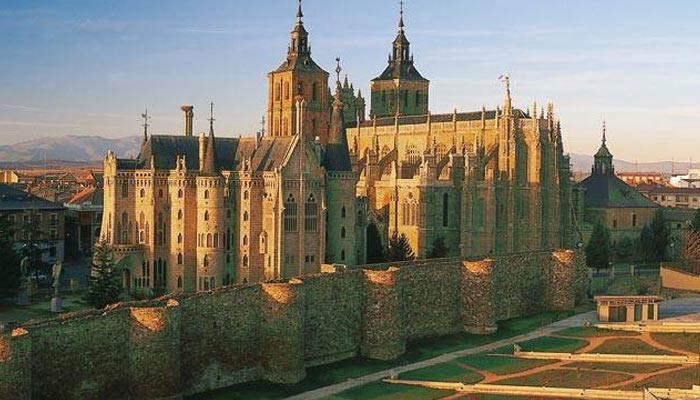
Breakfast. Your first objective today is the Órbigo River; You will cross the magnificent bridge that gives way to Hospital de Órbigo and from there you will ascend to the Crucero de Santo Toribio from where you will see Astorga. Be sure to visit the Cathedral of Santa María de Astorga and the Episcopal Palace, the latter a work by Antonio Gaudí. VALUE PACKAGE INCLUDES DINNER TONIGHT.
DAY 25: WALK ASTORGA TO RABANAL DEL CAMINO (20 KM / 12.4)
Breakfast. You are now in the Maragatería, a land with a taste of chocolate, mantecado and cocido arriero. After passing through Santa Catalina de Somoza you will ascend to Rabanal del Camino, a total of 300 meters of ascent. VALUE PACKAGE INCLUDES DINNER TONIGHT.
DAY 26: WALK RABANAL DEL CAMINO TO MOLINASECA (25 KM / 15.5 MI)
Breakfast. You will leave Rabanal del Camino behind you to face one of the toughest ascents of the Camino de Santiago de Compostela until you reach 1,500 m passing through Foncebadón and the mythical Cruz de Ferro. A steep descent will take you to Molinaseca through the pretty town of El Acebo. VALUE PACKAGE INCLUDES DINNER TONIGHT.
DAY 27: WALK MOLINASECA TO VILLAFRANCA DEL BIERZO (32 KM / 19.8 MI)
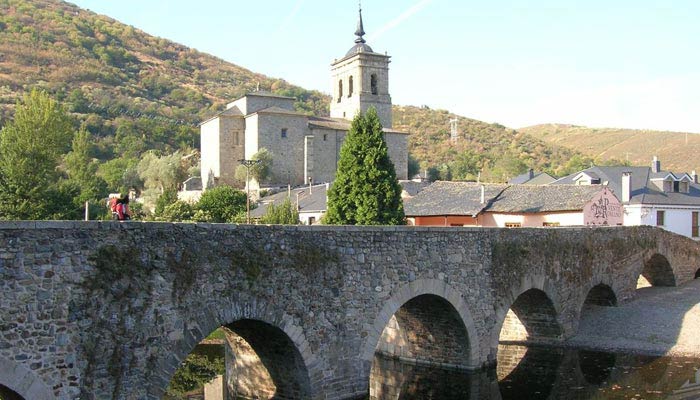
Breakfast. You will already be in the heart of Bierzo, and shortly you will arrive in Ponferrada, with its Templar Castle as a business card. The city gives way, little by little, to farm fields and vineyards that will take you to the center of Cacabelos. From there it is only a short distance that will separate you from the historic Villafranca del Bierzo. SUPERIOR CLASS INCLUDES LODGING AT THE PARADOR DE VILLAFRANCA DEL BIERZO.
DAY 28: WALK VILLAFRANCA DEL BIERZO TO LAS HERRERÍAS DE VALCARCE (20 KM / 12.4 MI)
Breakfast. You will leave the wide landscape of the vineyards to walk next to the river through nested and leafy valleys where towns such as Trabadelo, Portela or Vega de Valcarce will appear, next to the river. Your end of the stage will be in Herrerías de Valcarce. VALUE PACKAGE INCLUDES DINNER TONIGHT.
DAY 29: WALK LAS HERRERÍAS DE VALCARCE TO O CEBREIRO (9 KM / 5.5 MI)
Breakfast. Today a tough climb awaits you that will be rewarded with the arrival of the mythical and mysterious O Cebreiro, already in Galicia and at 1,330 m high. Without a doubt a magical place to conclude this wonderful walking trip. VALUE PACKAGE INCLUDES DINNER TONIGHT.
DAY 30: WALK O CEBREIRO TO TRIACASTELA (21 KM / 13 MI)
Breakfast. After leaving this curious town behind you, you will overcome Alto do Poio and then descend between oak and walnut groves until you reach the town of Triacastela, escorted by Mount Iribio. VALUE PACKAGE INCLUDES DINNER TONIGHT.
DAY 31: WALK TRIACASTELA TO SARRIA (18 KM / 11.1 MI)
Breakfast. You will follow the Camino Real through small villages such as Montán or A Furela. Finally you will reach the town of Sarria, one of the unavoidable landmarks of the Camino de Santiago. From here the Church stipulated the minimum distance to achieve "La Compostela". Here, in Sarria, we have one of our offices from where we can inform you about your trip. VALUE PACKAGE INCLUDES DINNER TONIGHT.
DAY 32: WALK SARRIA TO PORTOMARÍN (23 KM / 15.5 MI)
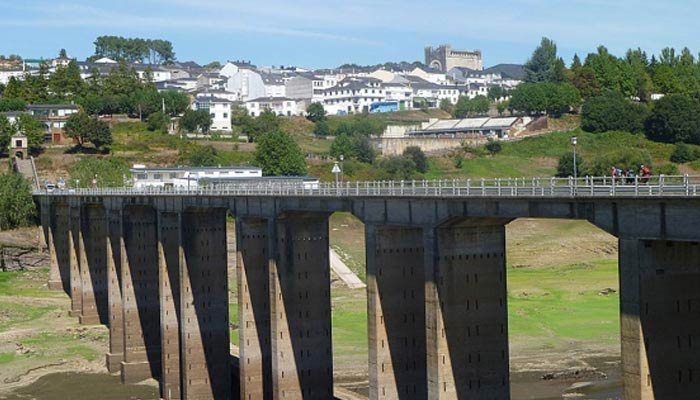
Breakfast. A first ascent will introduce you to a succession of villages linked by roads and "corredoiras". A steep descent will take you to the Miño River, now at the gates of Portomarín, with its imposing church-fortress welcoming you. VALUE PACKAGE INCLUDES DINNER TONIGHT.
DAY 33: WALK PORTOMARÍN TO PALAS DE REI (25 KM / 9 MI)
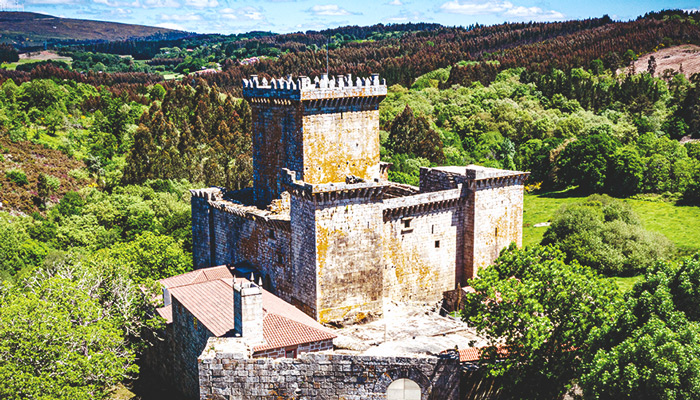
Breakfast. You will ascend continuously until you reach Ventas de Narón; You will walk through the Ligonde Mountains and then through villages with beautiful stone houses such as Ligonde, Lestedo or Eirexe. The town of Palas de Rei will wait for you at the end of the stage. VALUE PACKAGE INCLUDES DINNER TONIGHT.
DAY 34: WALK PALAS DE REI TO ARZÚA (30 KM / 18.6 MI)
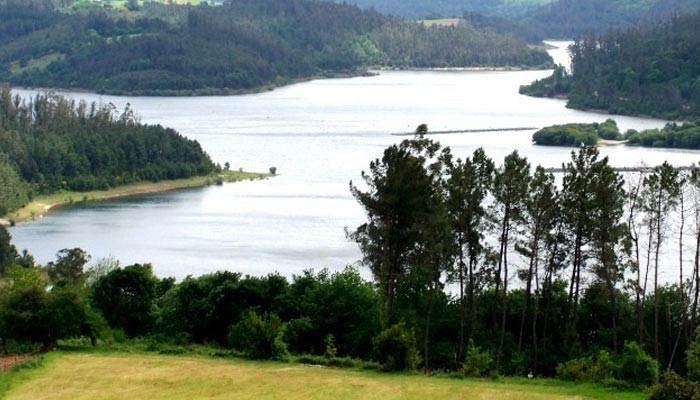
Breakfast. After leaving Palas de Rei you will walk through forests and crop fields until you reach Coto; Then two beautiful bridges will wait for you before reaching Melide. The distance from Melide to Arzúa is short and will allow you to enjoy the landscape and the number of towns that appear on both sides of the Camino. Before arriving in Arzúa, don't forget to stop in the beautiful enclave of Ribadiso, next to the Iso River. A final climb will take you to Arzúa, a cheese town. VALUE PACKAGE INCLUDES DINNER TONIGHT.
DAY 35: WALK ARZÚA TO O PINO (21 KM / 13 MI)
Breakfast. The journey from Arzúa to O Pino is a delightful stretch, offering a blend of scenic beauty and cultural richness. Departing from the charming town of Arzúa, the trail winds through lush Galician countryside, passing traditional stone houses and rustic farmlands. As you approach O Pino, the landscape evolves, revealing the unique beauty of the region. The scent of eucalyptus trees fills the air, creating a refreshing atmosphere. Upon reaching O Pino, you'll experience the warmth of this small town, providing a perfect setting for reflection and relaxation.
DAY 36: WALK O PINO TO SANTIAGO DE COMPOSTELA (19 KM / 11.8 MI)
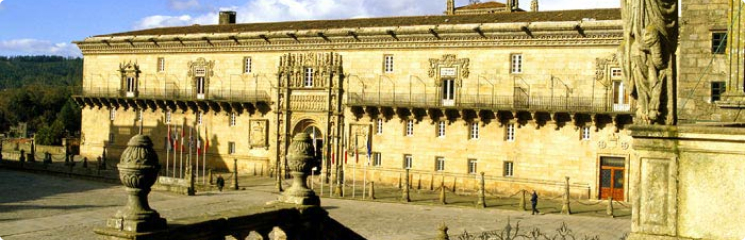
Breakfast. The final stage from O Pino to Santiago de Compostela is a symbolic and fulfilling part of the Camino de Santiago. Journeying through rolling hills and quaint hamlets, pilgrims anticipate their arrival at the revered endpoint. Following yellow arrows and scallop shell markers, Santiago de Compostela comes into view with its iconic cathedral. The atmosphere is charged with accomplishment as pilgrims enter the city, reaching the Cathedral Square. The grandeur of the cathedral, the camaraderie of fellow pilgrims, and the swinging Botafumeiro during the Pilgrim's Mass create a powerful moment of triumph. The stage from O Pino to Santiago de Compostela marks the culmination of a transformative journey, where physical and spiritual endeavors converge in a celebration of perseverance and tradition. SUPERIOR CLASS INCLUDES LODGING AT THE PARADOR DOS REIS CATOLICOS.
DAY 37: SANTIAGO DE COMPOSTELA
Your journey ends this morning after breakfast.
Saint Jean Pied de Port
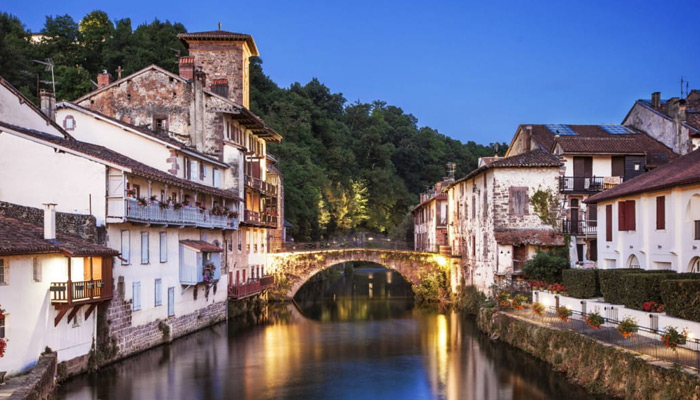
Ubicado en la base de los Pirineos, St-Jean Pied de Port, que significa "St-Jean al pie del paso", es un punto de referencia famoso para los peregrinos en su viaje. La principal calle adoquinada, rue de la Citadelle, es una vía animada donde encontrará excursionistas que continúan una antigua tradición. Durante siglos, esta ciudad, situada a 53 km al sureste de Bayona, ha servido como última parada en Francia para los peregrinos que emprenden el camino de peregrinación hacia el sur hasta la frontera española, a sólo 8 km de distancia. Desde aquí, el camino conduce a Santiago de Compostela, en el oeste de España, perpetuando una tradición eterna de peregrinación. St-Jean Pied de Port no es sólo una ciudad; es un capítulo fundamental en la narrativa histórica y espiritual del Camino de Santiago.
Roncesvalles
Akerreta
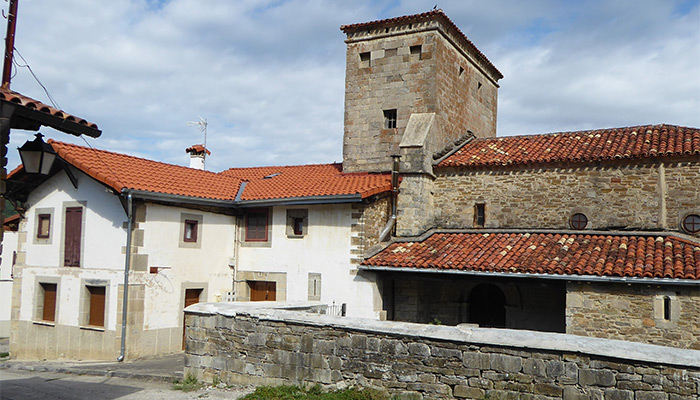
Ubicada en el norte de España, Akerreta atrae por su encanto tranquilo y su belleza escénica. Pasee por calles adoquinadas, admire la arquitectura bien conservada y saboree la auténtica cocina española en esta joya escondida. Rodeada de colinas, Akerreta ofrece un refugio tranquilo que invita a los visitantes a relajarse y experimentar el auténtico encanto de la España rural.
PAMPLONA
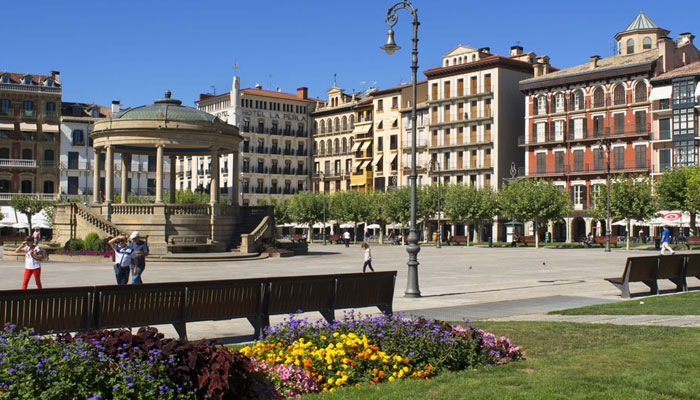
Puente la Reina
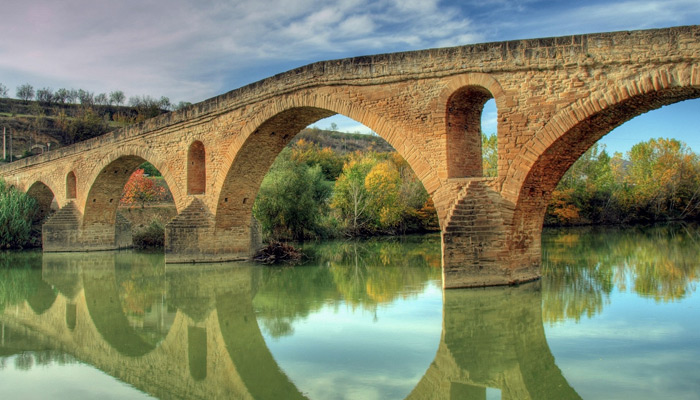
Estella
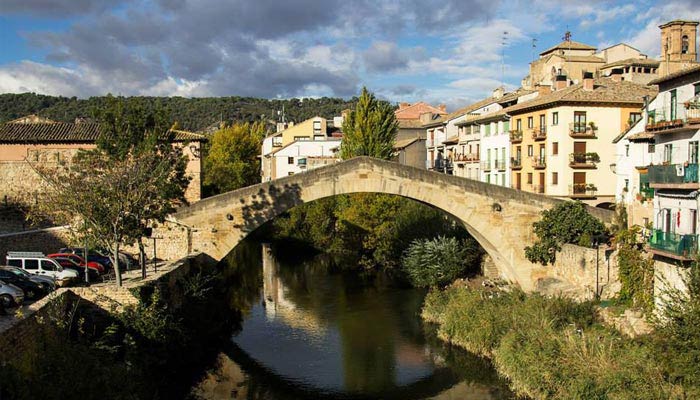
Los Arcos
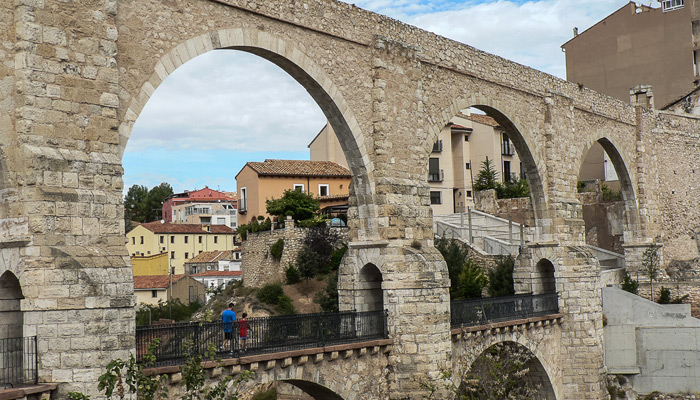
Logroño
Najera
Santo Domingo de la Calzada
Belorado
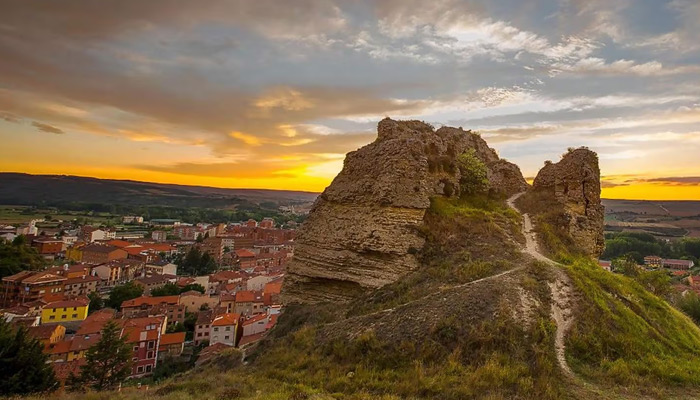
Belorado, localidad jacobea de la provincia de Burgos, se encuentra al este entre la Sierra de la Demanda y el límite con La Rioja. Surgió alrededor de un antiguo castillo medieval estratégico durante la Reconquista. Históricamente notable, fue el primer lugar en España en celebrar una feria en 1116, concedida por el rey Alfonso I de Aragón. Con raíces celtíberas, Belorado es una destacada parada en el Camino de Santiago. Su encanto histórico y detalles pintorescos hacen de este pueblo un destino que merece una visita pausada y tranquila para apreciar plenamente sus atractivos.
San Juan de Ortega
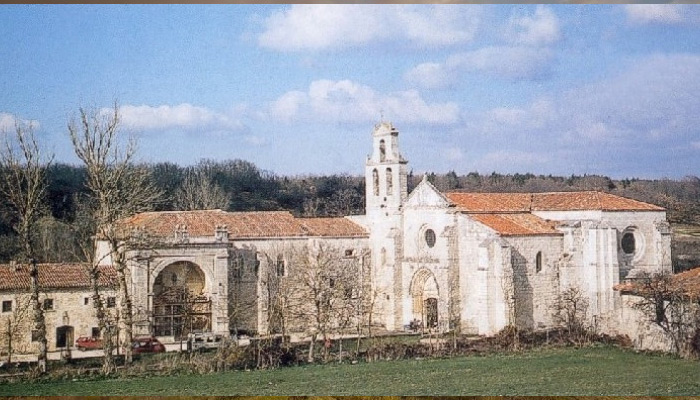
San Juan de Ortega es reconocido como el santo que colaboró estrechamente con su amigo y compañero Santo Domingo de la Calzada en la apertura de rutas que ayudaran a los peregrinos durante su recorrido por la región. Por ello, este pueblo lleva su nombre como una forma de reconocer y honrar su labor. A esto se sumó la construcción de lo que hoy es el monasterio de San Juan de Ortega. Este pequeño municipio de no más de 20 habitantes es famoso por su hospitalidad hacia los peregrinos. Durante la primavera y el verano su población se multiplica por diez con la afluencia de peregrinos.
Burgos
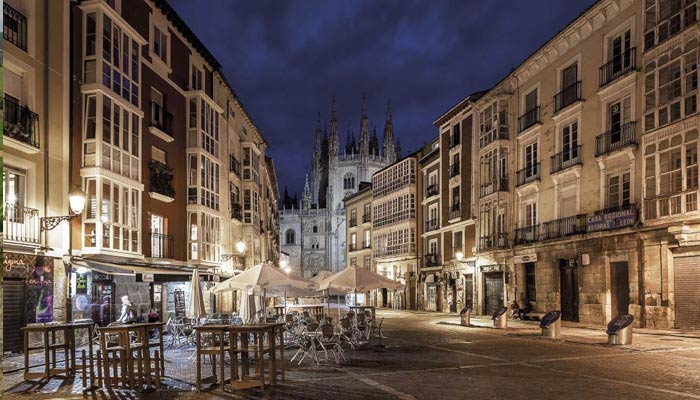
Hornillos del Camino
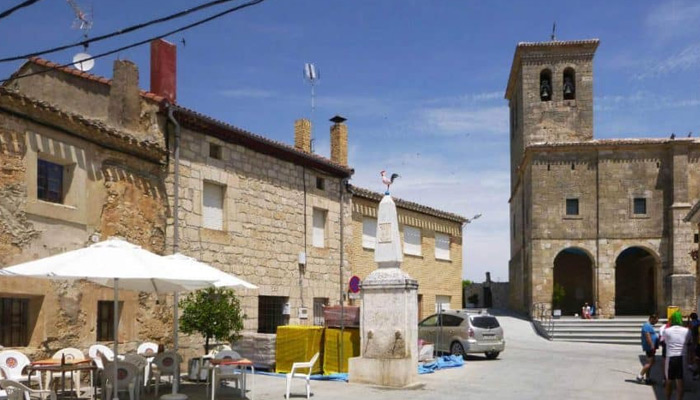
Hornillos del Camino, en Burgos, es un pueblo encantador con una fuerte conexión con la peregrinación jacobea, evidente hasta en su nombre. Su diseño destaca al Camino de Santiago como su arteria principal. Históricamente, albergó una línea defensiva en el siglo IX y fue conocido como "Forniellos" por sus numerosos hornos para tejas. Descubre la riqueza histórica y el encanto singular de Hornillos del Camino, donde cada calle cuenta una historia del Camino.
Castrojeriz
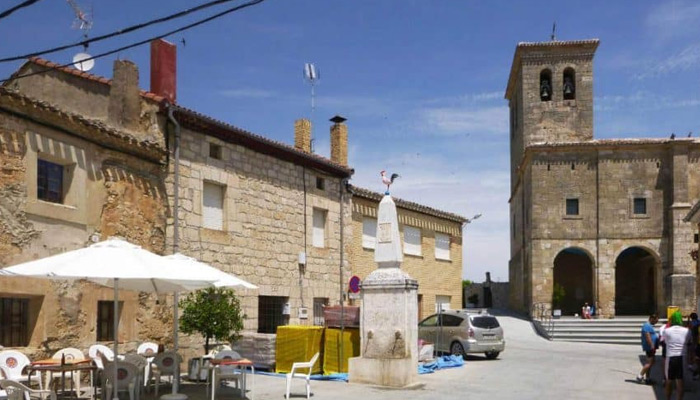
Castrojeriz es una localidad de la provincia de Burgos que también se encuentra en el Camino Francés. Es curiosa su ubicación, ya que se encuentra al pie de una colina presidida por los restos de un castillo. En este pueblo existen diferentes monumentos y ruinas que nos recuerdan su importancia en el pasado. Un hermoso lugar para transportarte a otra época.
FRÓMISTA
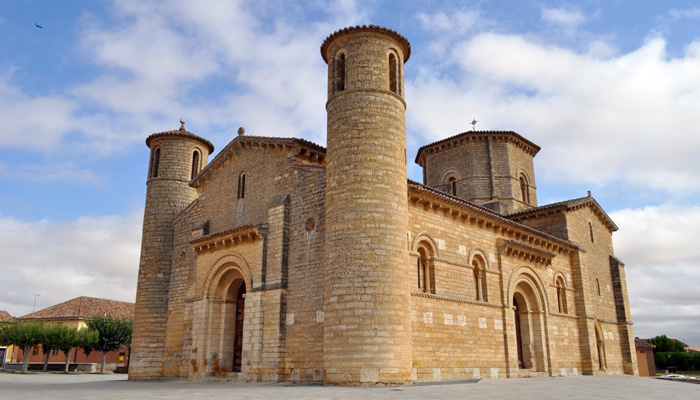
La capital del legado románico de Palencia, la ciudad de Frómista es un importante centro de comunicaciones y una parada en el Camino de Santiago de Compostela. Iglesias como la de San Pedro y Santa María forman uno de los principales atractivos culturales de la localidad, junto con la ermita de Santiago y su imagen de la Virgen del Otero. Pero la joya más preciada de Frómista es la iglesia de San Martín, una obra de arte concebida como una imagen. Este templo, fundado en 1035, destaca por la sencillez de sus líneas y el perfecto equilibrio logrado entre la arquitectura y la increíble riqueza decorativa. Un magnífico despliegue de luces, colores y líneas que supone un hito en el románico vinculado al Camino de Santiago de Compostela. A dos kilómetros del pueblo se encuentra la fuente de Pozomingo, donde se han descubierto restos de lo que pudo ser Frómista en época romana, antes de la ocupación árabe.
Carrion de los Condes
Calzadilla de la Cueza
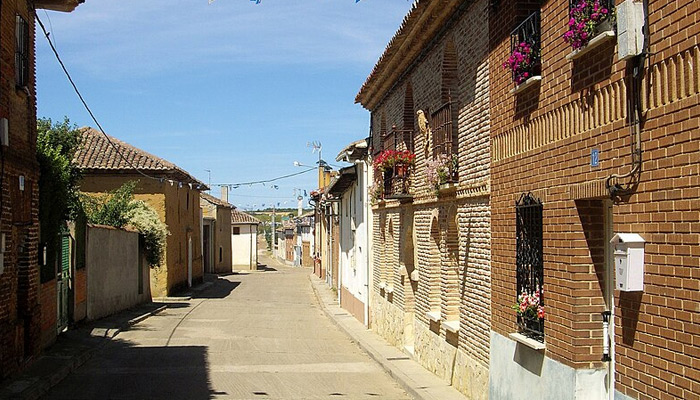
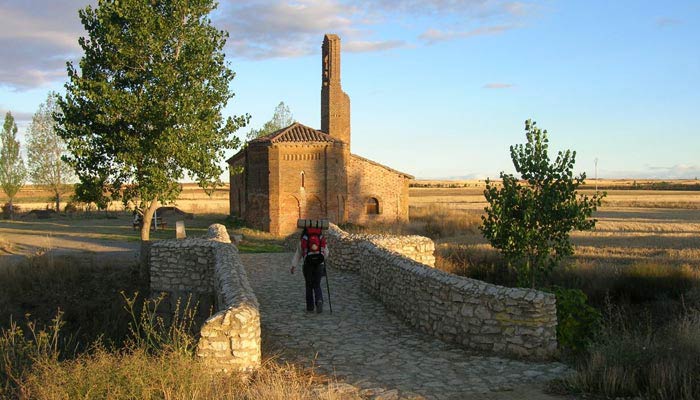
Calzadilla de la Cueza, una encantadora localidad en la provincia de Palencia, cautiva con su pintoresca atmósfera y su acogedora comunidad de poco más de 50 habitantes. Este tranquilo rincón experimenta una notable transformación gracias al constante flujo de peregrinos que, con su presencia, insuflan vida y vitalidad al pueblo. La solitaria torre que se erige majestuosamente en el horizonte, como faro de los peregrinos, confiere su nombre a la localidad. Un testimonio tangible de la historia es la antigua calzada que aún perdura, conocida como la Vía Aquitania. Este sendero, anterior al Camino de Santiago, desplegó su importancia al guiar a los peregrinos hacia el sepulcro del Apóstol. Descubrir Calzadilla de la Cueza es sumergirse en un viaje a través del tiempo, explorando los vestigios de la Vía Aquitania y sintiendo la vibrante energía que aportan los peregrinos. La experiencia en esta pequeña joya palentina es verdaderamente única, fusionando historia, tradición y el constante trasiego de aquellos que siguen el camino de Santiago.
Sahagun
El Burgo Ranero
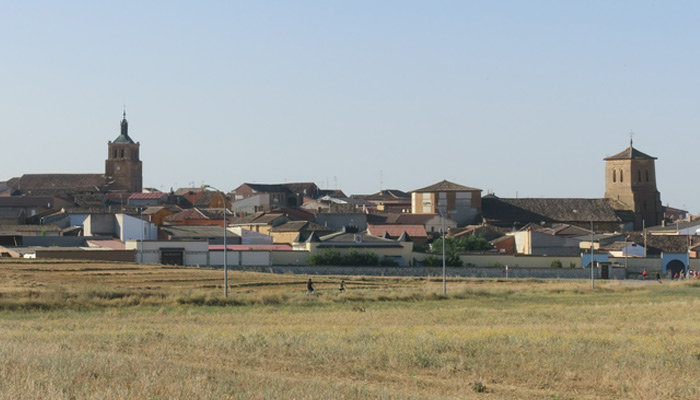
El Burgo Ranero es un pueblo tranquilo y agradable ubicado en la provincia de León, en la región de Tierra de Sahagún, dentro de la comunidad autónoma de Castilla y León. Este pueblo cuenta con aproximadamente 700 habitantes que reciben con gusto a los peregrinos que transitan por el Camino Francés. Existe cierta discusión sobre el origen de su nombre. Algunos creen que el pueblo fue fundado por un hombre llamado Ranarius, mientras que otros afirman que el nombre del lugar proviene del característico croar de las ranas que abundan en este tipo de llanuras. Independientemente de su etimología, El Burgo Ranero ofrece un refugio sereno para los viajeros, invitándolos a experimentar la calidez de su comunidad y la belleza de los paisajes circundantes.
Mansilla de las Mulas
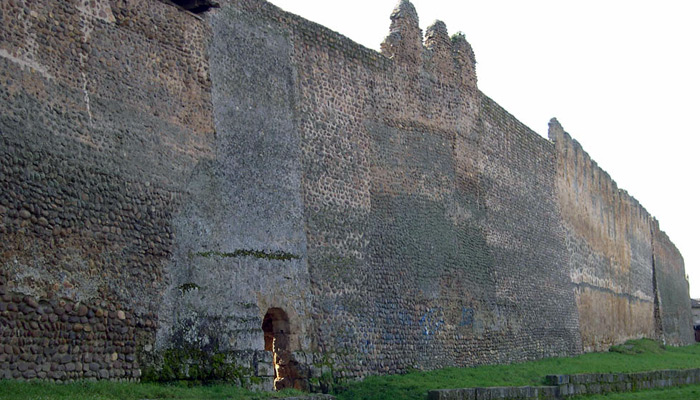
Mansilla de las Mulas se encuentra a orillas del río Esla, a tan solo 17 km de León. Ubicado entre las montañas leonesas y la Tierra de Campos, Mansilla de las Mulas ha sido durante mucho tiempo un centro comercial clave en la región. Con raíces romanas, su desarrollo se vio impulsado por su papel fundamental en el Camino de Santiago. Hoy en día, el pueblo conserva su estructura urbana medieval y parte de su recinto amurallado. Las murallas medievales, cuidadosamente restauradas y con cuatro puertas, son un testimonio de la rica historia de Mansilla de las Mulas. La importancia del pueblo se refleja en la gran cantidad de refugios e iglesias que se encuentran aquí, proporcionando una visión de su pasado como refugio y parada crucial a lo largo del Camino de Santiago. Descubre el encanto perdurable de Mansilla de las Mulas mientras conecta la herencia de sus orígenes romanos con la atmósfera medieval que aún impregna sus calles hoy en día.
Leon
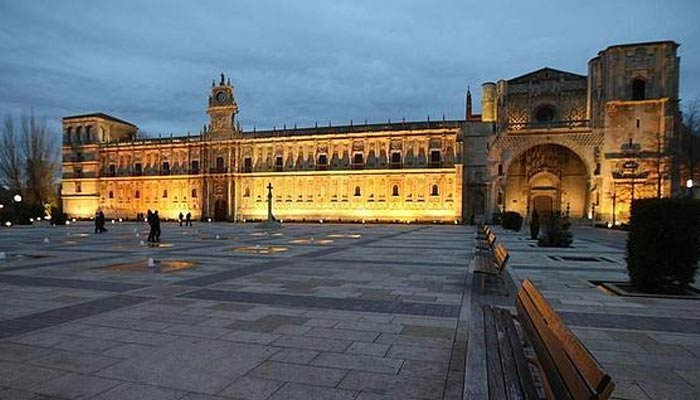
Villar de Mazarife
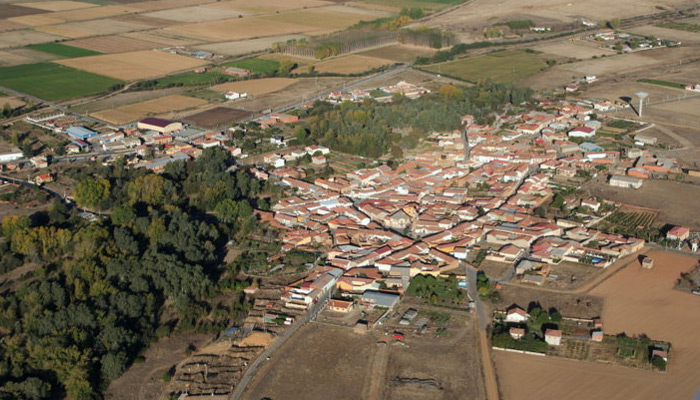
Descubre el encanto atemporal de Villar de Mazarife, una joya escondida en el corazón de España. Este encantador pueblo, ubicado a lo largo del renombrado Camino de Santiago, invita a los viajeros con su auténtico ambiente español y su rica herencia cultural. Sumérgete en la tranquilidad de Villar de Mazarife mientras paseas por sus calles empedradas, enmarcadas por una arquitectura histórica que susurra historias de siglos pasados. Con sus raíces profundamente arraigadas en la tradición del peregrinaje, el pueblo ofrece una mezcla única de significado espiritual y hospitalidad cálida. Ya sea atraído por sus hitos medievales, los apacibles paisajes que lo rodean o la cálida acogida de su comunidad local, este destino promete un viaje enriquecedor a través de los tesoros culturales e históricos de España.
Astorga
Rabanal del Camino
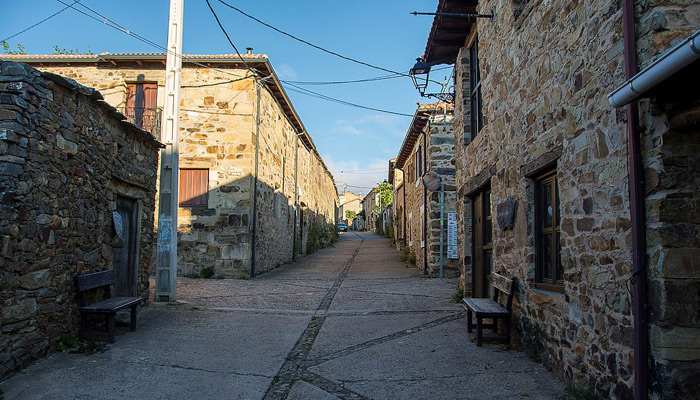
Rabanal del Camino, ubicado al pie del Monte Irago en la provincia de León, es un refugio para los peregrinos a lo largo del Camino de Santiago. El trayecto desde Astorga hasta Rabanal del Camino se caracteriza por su terreno desafiante, lo que lleva a muchos peregrinos a elegir Rabanal como una estratégica parada nocturna. Sin embargo, algunos aventureros optan por seguir hasta Foncebadón, con el objetivo de acortar la distancia para la caminata del día siguiente. Este pintoresco pueblo, rico en historia y espiritualidad, cuenta con la iglesia románica de Santa María y la ermita del siglo XVIII de San José. Añadiendo atractivo a Rabanal está el recién construido Monasterio de Santa Otilia de Múnich (Alemania), que ofrece una mezcla única de hospitalidad internacional a los peregrinos. Ya sea cautivado por sus hitos históricos, el impresionante entorno o los servicios brindados por el Monasterio de Santa Otilia, esta parada en el Camino promete una experiencia significativa y revitalizante.
Molinaseca
Villafranca del Bierzo
Las Herrerias
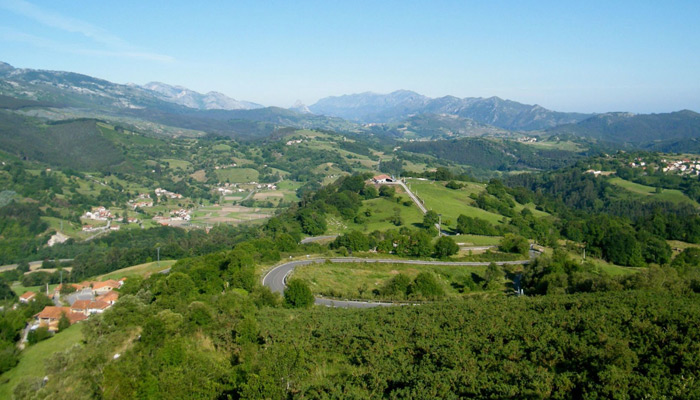
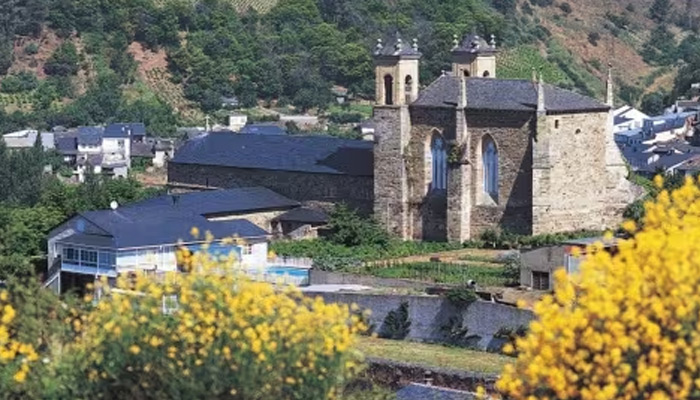
Conocido también como Las Herrerías de Valcarce, este encantador pueblo es un punto clave a lo largo del Camino de Santiago. Ubicado en la verde llanura del río Valcarce, al oeste de Vega de Valcarce, que da nombre al municipio, Las Herrerías cuenta con una rica historia y una conexión con el Camino. Compuesto por tres barrios distintos: Las Herrerías, Hospital y el barrio de San Julián, un poco más alejado, este pueblo histórico tiene sus raíces en el siglo XV, con evidencia de actividad siderúrgica desde entonces. Sin embargo, documentos históricos de los siglos XII y XIII mencionan el barrio de Hospital, citando la existencia de un hospital inglés, influyendo así en su nombre. Este detalle también se menciona en una bula papal del siglo XII. Como dato curioso, es digno de mencionar que en 1858, Las Herrerías tenía la categoría de lugar, mientras que Hospital era considerado un pueblo. Explora las capas de historia y riqueza cultural mientras recorres los paisajes pintorescos de Las Herrerías a lo largo de tu viaje por el Camino.
O Cebreiro
Triacastela
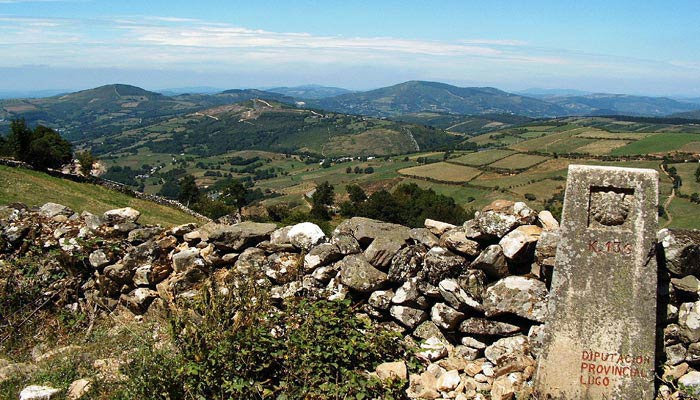
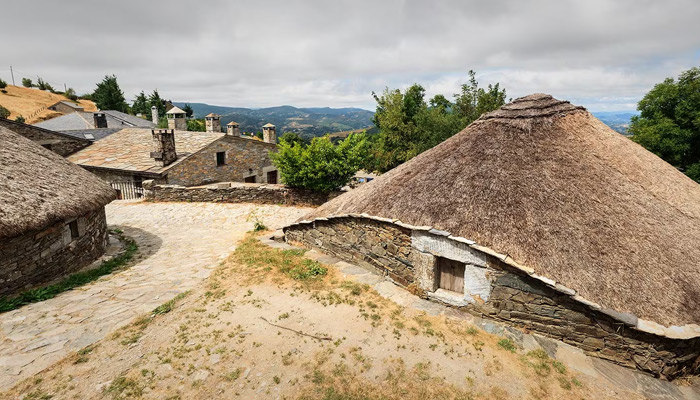
Triacastela, a quaint village in the province of Lugo, holds a fascinating historical charm. Some historians debate the origin of the town's name, speculating whether it refers to three castles, clearly depicted in the tower of the parish church, or to three forts, of which archaeological remains still grace the surrounding area. The heart of Triacastela boasts a church that originated as a Romanesque structure and was later rebuilt in the 18th century. Within its walls, the carved image of the three castles, from which Triacastela draws its name, is carefully preserved, offering a tangible connection to the town's rich history. Allow me to guide you through the layers of history in Triacastela, creating an itinerary that unveils the cultural tapestry and the scenic wonders of this captivating Camino destination.
Sarria
Portomarin
Palas de Rei
Arzua
O Pedrouzo
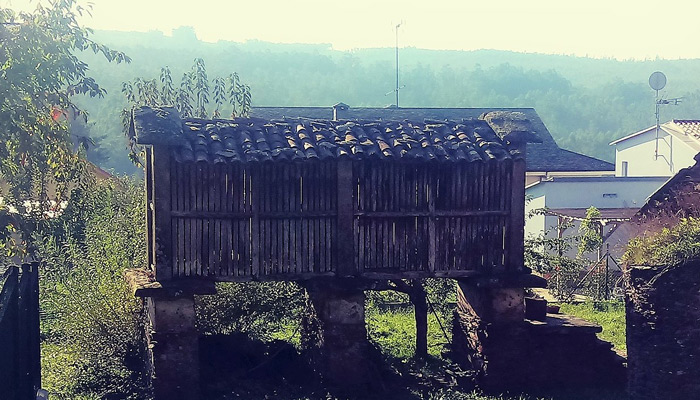
O Pedrouzo es un encantador pueblo situado en la provincia de A Coruña. Si bien O Pedrouzo en sí es relativamente pequeño, tiene una importancia significativa para los viajeros que exploran el Camino de Santiago, particularmente el Camino Francés, que es una de las rutas de peregrinación más populares de Europa.
SANTIAGO DE COMPOSTELA
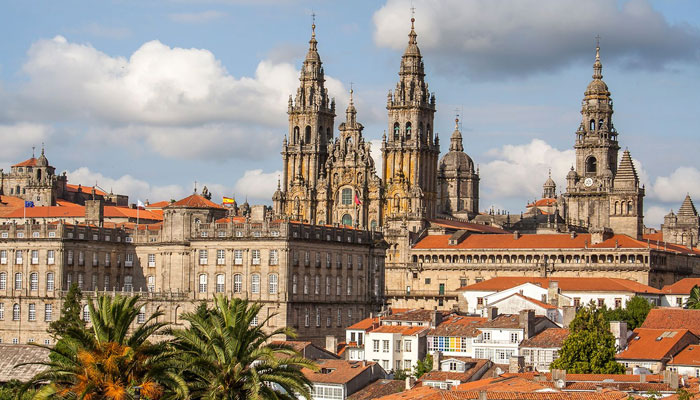
Dicen que Santiago es el pueblo más grande del mundo y, al mismo tiempo, la ciudad más pequeña del planeta. Esta capital gallega combina las comodidades de las pequeñas localidades y las ventajas de las grandes ciudades sofisticadas. Se puede recorrer de una punta a otra en un tranquilo paseo y goza de las comodidades de las grandes capitales. Rincones solitarios y tranquilos y calles bulliciosas de bares de vinos comparten el mismo escenario. El centro histórico, declarado patrimonio de la humanidad por la UNESCO, es la joya de la corona. Construida piedra a piedra alrededor de su majestuosa catedral. El descubrimiento de la tumba del apóstol en el siglo IX transformó este lugar sagrado para siempre.
HOTELS COMFORT
Hôtel les Pyrénées, Saint Jean Pied de Port
Hotel Roncesvalles, Roncevalles
HOTEL TRES REYES, PAMPLONA
Jakue, Puente La Reina
Hotel Chapitel, Estella
Hotel Monaco, Los Arcos
Sercotel Calle Mayor, Logroño
Hotel Duques de Nájera, Nájera
Hostal Boutique El Molino de Floren, Santo Domingo de la Calzada
Hotel Rural Verdeancho, Belorado
Casa de Turismo Rural la Henera, San Juan de Ortega
Hotel Silken Gran Teatro, Burgos
Hotel Rural la Consulta de Isar, Isar
Quinta San Francisco, Castrojeriz
Eco Hotel Doña Mayor, Frómista
Hotel Real Monasterio San Zoilo, Carrión de los Condes
Hostal Camino Real, Calzadilla de la Cueza
Hostal Domus Viatoris, Sahagún
Hotel Rural la Casa de los Soportales, Mansilla de las Mulas
Silken Luis De Leon, Leon
La Santa Bed & Breakfast, Villar de Mazarife
Ciudad de Astorga, Astorga
Hostería El Refugio, Rabanal del Camino
No-Mad Green Hotel, Molinaseca
Hostal La Puerta del Perdon, Villafranca del Bierzo
Posada Real Paraiso del Bierzo, Las Herrerías
Hotel O Cebreiro, O Cebreiro
IBERIK Triacastela Hotel, Triacastela
Carris Alfonso IX, Sarria
Hotel Pazo de Berbetoros, Portomarin
Hotel Trina 20, Palas de Rei
1930 Boutique Hotel, Arzua
Hotel Amiuka, O Pedrouzo
Virxe da Cerca, Santiago de Compostela
HOTELS SUPERIOR
Hôtel les Pyrénées, Saint Jean Pied de Port
Refuge Orisson, Orisson
Hotel Roncesvalles, Roncevalles
Hotel Tres Reyes, Pamplona
Jakue, Puente La Reina
Hotel Chapitel, Estella
Hotel Monaco, Los Arcos
Sercotel Calle Mayor, Logroño
Hotel Duques de Nájera, Nájera
Parador de Santo Domingo de la Calzada, Santo Domingo de la Calzada
Casa de Turismo Rural la Henera, San Juan de Ortega
Hotel Rural la Consulta de Isar, Isar
Quinta San Francisco, Castrojeriz
Eco Hotel Doña Mayor, Frómista
Hotel Real Monasterio San Zoilo, Carrión de los Condes
Hostal Camino Real, Calzadilla de la Cueza
Hostal Domus Viatoris, Sahagún
Hotel Rural la Casa de los Soportales, Mansilla de las Mulas
Parador de León, León
La Santa Bed & Breakfast, Villar de Mazarife
Ciudad de Astorga, Astorga
Hostería El Refugio, Rabanal del Camino
No-Mad Green Hotel, Molinaseca
Parador de Villafranca del Bierzo, Villafranca del Bierzo
Posada Real Paraiso del Bierzo, Las Herrerías
Hotel O Cebreiro, O Cebreiro
IBERIK Triacastela Hotel, Triacastela
Carris Alfonso IX, Sarria
Hotel Pazo de Berbetoros, Portomarin
Hotel Trina 20, Palas de Rei
Hotel Amiuka, O Pedrouzo
Parador de Santiago de Compostela, Santiago Compostela
- Your choice of accommodations in COMFORT CATEGORY: best available hotels, guest houses or rural tourism manor houses with private bath; or in SUPERIOR CATEGORY: Same as Comfort Category except in the cities of Santo Domingo de la Calzada, Leon, Villafranca del Bierzo and Santiago where accommodations will be at the Paradores or in a hotel of similar category.
- Breakfast daily
- Luggage transportation from city to city while you walk (1 piece, maximum 44 Lbs per person)
- Protection and medical insurance while on tour
- Complete route descriptions and materials, including your "Pilgrim Passport"
- Local 24 hour telephone assistance while on tour
Petrabax
Petrabax is also a leader in Spanish language escorted tours of Europe, Middle East and the Orient.


News
 Test
Test
Planning your next vacation just got easier. We are excited to announce a range of exclusive summer travel deals featuring discounted hotel stays, guided tours, airport transfers, and customized holiday packages across some of Europe's most popular destinations.
