

EL EXPRESO DE LA ROBLA - FEVE-LEÓN to BILBAO LA CONCORDIA
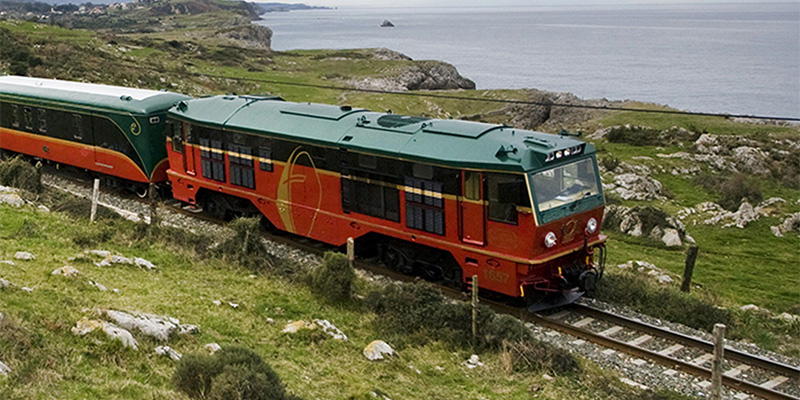
Day 1, Friday: Leon – Cistierna
Luggage check-in from 13:30 h to 14:30 h at Leon’s FEVE Station. Our coach will then take us to San Feliz, where El Expreso de La Robla will be waiting for us. Presentation of the crew, settling in, and transfer to Matallana. From here our coach will take us through the spectacular Hoces de Vegacervera gorge to Valporquero, where we can visit the wonderful caves famous for their stalactites, stalagmites, and outflows of fanciful shapes, as well as the impressive 100,000 m3 underground chamber called the Gran Rotonda. We will then return to the train to head towards Cistierna, where we will have dinner and spend the night.
(*) Consult PETRABAX for meeting point. On the day the trip begins, the access to the suite is not guaranteed until 18:00 h, although other services are already underway.
Day 2, Saturday: Cistierna – Espinosa de Los Monteros
While enjoying our first breakfast on board the train, we will travel to Guardo, in the province of Palencia. From there, we will travel by coach to visit the Roman town of La Olmeda, with its magnificent mosaic collection, before discovering one of the best ensembles of Romanesque art in Europe that forms part of the Camino de Santiago. Saldaña, Carrión de los Condes, and Fromista, where we will have lunch. After visiting the striking Church of San Martín and the Canal of Castile, we will return to the train and head towards Espinosa de los Monteros, a beautiful town in Burgos Province’s Las Merindades region; dinner and overnight stay in Espinosa.
Day 3, Sunday: Espinosa de Los Monteros – Bilbao
While having breakfast, we will go through the incredible landscape of the Mena Valley before coming to Bilbao. Tour of the city and its world-renowned Guggenheim Museum. Free time before our trip ends around 14:00 h..
Leon
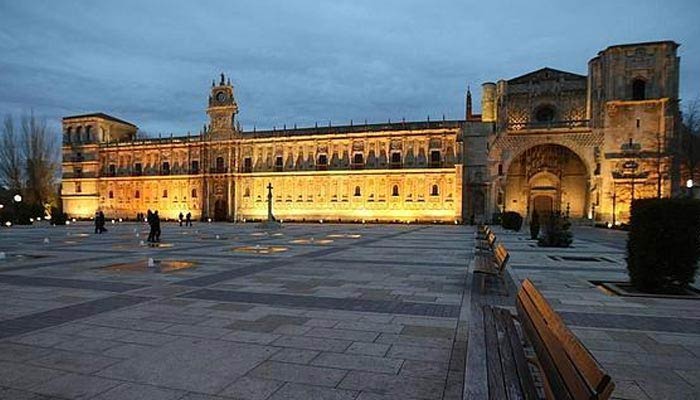
León is the capital of the province of León, located in the northwest of Spain. Founded as the military encampment of the Legio VI Victrix around 29 BC, its standing as an encampment city was consolidated with the definitive settlement of the Legio VII Gemina from 74 AD. 910 saw the beginning of one its most prominent historical periods, when it became the capital of the Kingdom of León, which took active part in the Reconquista against the Moors, and came to be one of the fundamental kingdoms of medieval Spain. Leon's historical and architectural heritage, as well as the numerous festivals hosted throughout the year (particularly noteworthy are the Easter processions) and its location on the Camino de Santiago, which is ranked as a UNESCO World Heritage Site, make it a destination of both domestic and international tourism. Some of the city's most prominent historical buildings are the Cathedral, the finest example of French-style classic Gothic architecture in Spain, the Basilica of San Isidoro, one of the most important Romanesque churches in Spain and resting place of Leon's medieval monarchs, the Monastery of San Marcos, a prime example of plateresque and Renaissance Spanish architecture, and the Casa Botines, a Modernist creation of the architect Antoni Gaudi.
BILBAO
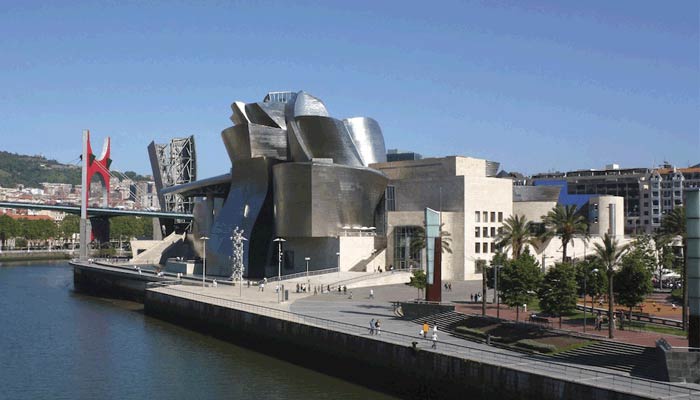
Bilbao is the beating heart of the Basque Country and its largest city. It is the most cosmopolitan of the cities in the region and is constantly evolving. Bilbao ballooned in population during industrialization and prospered through steel production, shipping, ship building and banking. However, by the 1970’s the city had developed into a gray smokestack and a serious economic crisis had arrived. A new plan was devised and Bilbao started its journey of rebirth. Old industrial complexes along the river Nervión were torn down and new projects to improve infrastructure and the overall growth of the city were started. Bilbao now boasts having the Guggenheim Museum designed by architect Frank Gehry, a timeless Metro system designed by Sir Norman Foster, an airport from Spanish architect Santiago Calatrava and a community center (Alhondiga) designed by Philippe Starck. The list goes on and on. Today, Bilbao is sophisticated and humming with action. But at the same time is relatively stress-free. It is a great city to check out and it has a lot to offer visitors. Whatever you are looking for, whether it’s savory Basque cuisine, Basque culture, shopping, nightlife, etc., you will find it here.
OVIEDO
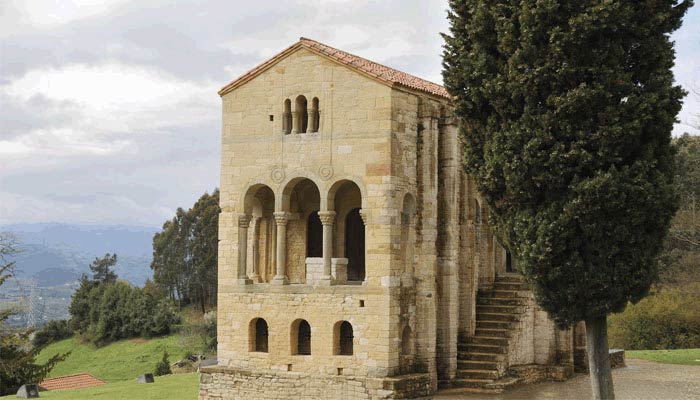
Oviedo is the capital of the Principality of Asturias and the geographic, political and administrative center of the region. It is a city that keeps true artistic jewels framed in a wide valley, which turns it into a tourist place of recreation worthy of mention. Oviedo possesses valuable examples of Pre-Romanic art in Asturias, such as San Miguel de Lillo, Santa María del Naranco, the church of San Julián de los Prados, the Holy Chamber and the Foncalada Fountain. Most of Oviedo's old town streets can be walked on foot and house many buildings of historical interest such as the Cathedral or several noble houses. Another attraction of Oviedo is that it has become a large open-air museum, thanks to the numerous sculptures of modern art that embellish its streets and squares. Besides being a population with a great commercial and financial activity, it opens to the cultural world in many ways. It has a great musical tradition, which is manifested in the numerous concerts that are programmed every year. Nor should we forget the delivery of Prince of Asturias Awards in the Campoamor theater as a further sign of their concern for the arts and science. In addition, Oviedo has been awarded with the prize of the Golden Broom, to be the cleanest city of Europe. This is one of its greatest attractions, because it is a city where you can stroll quietly without the burden of pollution, noise, and cars. From the capital, you can discover many attractions, such as the excursion to Mount Naranco, located about four kilometers from Oviedo.
Ribadeo
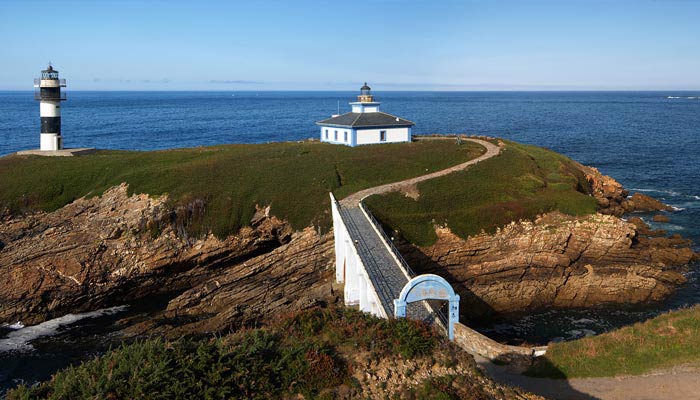
Ribadeo is the gateway to Galicia, on the natural border with Asturias and the estuary from which it takes its name. Ribadeo (around 10,000 inhabitants) is a popular tourist town in the region of eastern A Mariña and an enclave of great historical importance. This town also boasts a unique ecosystem situated at the mouth of the river Eo; a coastal area declared as a Biosphere Reserve by UNESCO.
SANTIAGO DE COMPOSTELA
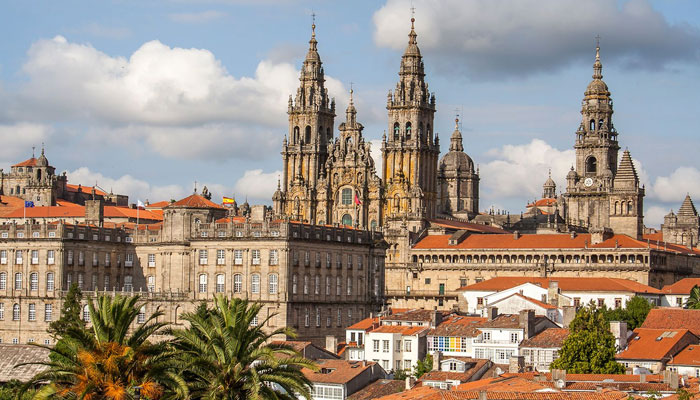
They say Santiago is the biggest village in the world and, at the same time the smallest city on the planet. This Galician capital combines the comforts of small locations and the advantages of large sophisticated cities. It can be crossed from one end to the other in a leisurely stroll and benefits from the amenities of large capitals. Solitary and tranquil corners and, bustling streets of wine bars all share the same stage. The historic centre, declared as a world heritage site by UNESCO, is the jewel in the crown. Constructed stone by stone around its majestic cathedral. The discovery of the tomb of the apostle in the IX century transformed this sacred place forever.
HOTELS SUPERIOR
El Expreso De La Robla
Standard Room
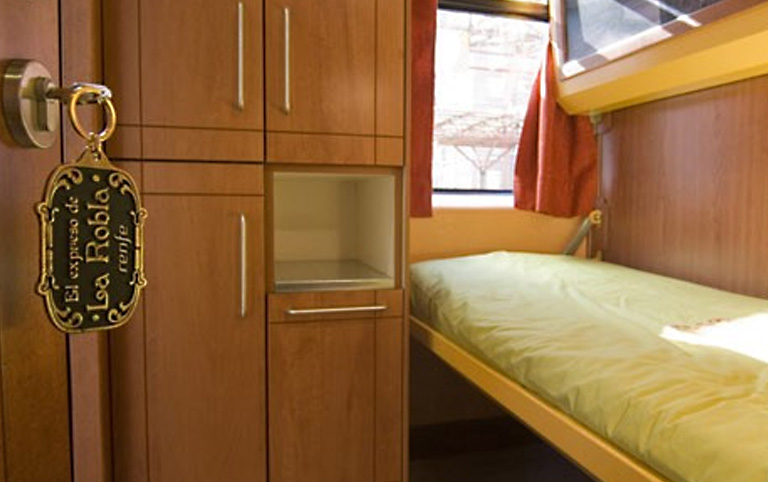
| It has two bunk beds (0.70 x 1.80 m. each), wardrobe, reading light, adjustable air-conditioning and equipped with bathtub, hydromassage shower, sink, toilet and hairdryer. |
- Accommodation in a double berth (0.70 m x 1.80 m), equipped with bathtub or shower
- Welcome drink.
- Toiletries
- Mineral water.
- All breakfasts, with a buffet selection.
- Lunches and dinners are in select restaurants (including wine, water, soft drinks and coffee)
- Tickets to museums, monuments and shows.
- Excursions and scheduled visits.
Petrabax
Petrabax is also a leader in Spanish language escorted tours of Europe, Middle East and the Orient.


 Test
Test